
Infinite Flow Novels
MMoonlitAudioDrama
15 items
Infinite flow is the genre where the world itself is the antagonist — dungeons, exams, games, doors, and the players who walk into them anyway. Fifteen novels here, ordered roughly from 'clever and fun' to 'sleep with the lights on.' A few notes before you start: two of these (Easter Egg Game, Welcome to the Nightmare Game) are older classics with rawer edges than the polished recent hits, and at least one is free to read in full if you want to test the genre before committing. Several have body counts that don't care who you ship. If your favorite instance is missing, the door's open — tell me.
- 1. "I'm not here to save you — I'm here to love you"You Huo carving through exam worlds that want him dead is the fastest structure in the genre: every arc is a test with a timer, a rulebook, and a loophole. Qin Jiu matches him insult for insult, and the romance lands the line fans quote most — 'I'm not here to save you, I'm here to love you.' Complete, HE, and the finale ties the whole exam system into a bow.
- 2. One door scared an entire fandomRuan Nanzhu and Lin Qiushi walk through one door per arc, and each door is a self-contained puzzle box that starts cold and ends worse. The fandom consensus on the scariest door has been stable for years — the Lady in the Rain — and the twins from a later arc are still the sore spot people mention first. Finished, with an ending readers still argue about in the best way. This is the horror end of the genre; enter accordingly.
- 3. The apocalypse runs on game logicThe day Earth goes online, every survivor gets a game panel, and Tang Mo starts as the weakest piece on the board. Fu Wenduo teaching him to hold a gun is the relationship in one image — the strongest player investing in the one everyone else wrote off. One of the earlier 'black tower' novels and it moves like one: announce a game, raise the stakes, settle it, repeat. Fair warning: the fandom is quieter than the big five, but the structure is airtight.
- 4. The mirror that flirts backXing Ye's golden finger is a little mirror — and the mirror, it turns out, is the love interest, which turns every inventory check into banter. Behind the comedy there's a real system: players sorted by fate type, codes to crack, a player-versus-world structure that keeps chapters short and objectives clear. The online-dating-meets-survival-game joke writes itself and the novel knows it.
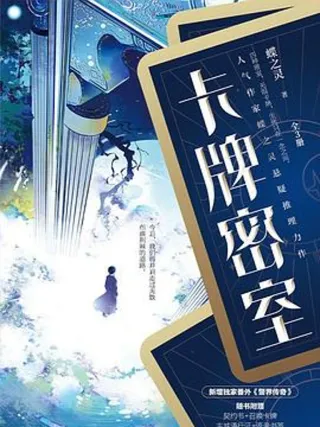
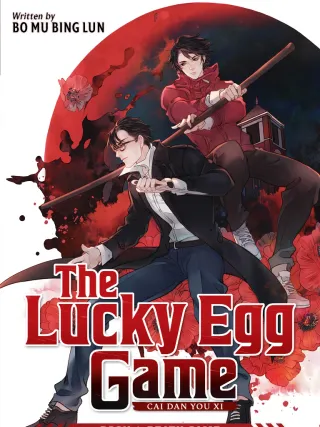
- 5. Every card is a death roomXiao Lou wakes in a world where the four card suits are dungeon categories, and Yu Hanjiang — the criminal police captain — becomes the blade he can't afford to be himself. Poker-card mechanics, cooperative puzzles, an intelligence-and-force partnership. The audio adaptation ran past five hundred episodes, which tells you how much dungeon there is. Clean arc structure, no wasted rooms.
- 6. Every version of him shows up at onceXie Xi's 'game' keeps splitting the male lead into slices — childhood version, general version, every era arriving in the same world and all of them converging on him. The veteran reader verdict is a shrug and a smile: 'this isn't really infinite flow, it's a sweet quick-transmigration romance wearing an infinite-flow coat.' Fast arcs, faster feelings, zero dread by design — park it between the scary ones.
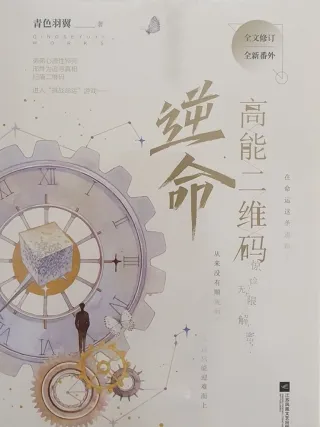
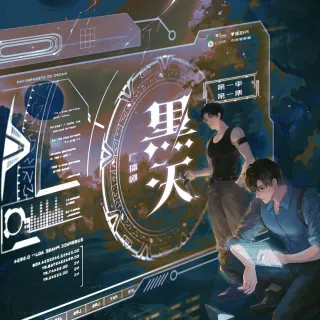
- 7. The infinite flow with a physics degreeBo Wu is the one I recommend when someone says infinite flow has no plot mechanics. The time-anchor loop dungeons are engineered like clockwork — one JJWXC reader famously wrote a 3,500-character timeline analysis just to prove the loops hold. Romance takes a back seat to structure here; if your favorite part of a survival arc is watching the rules click into place, this is your book.
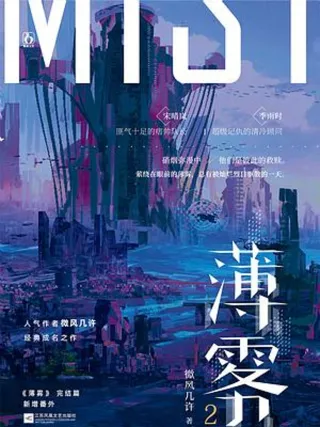
- 8. "The galaxy is bright, the sunlight clean — and I love you most"Between the prison planet and the space-time ruins, Chu Si and Sa'e Yang keep circling each other across a decade of loss and one very long con. The line readers keep — about starlight, clean sunlight, and loving someone most — comes late and lands harder for it. This one stretches the genre definition (it's more interstellar time fantasy than dungeon crawl), but the death-game structure and the emotional body count qualify it. Mu Su Li stans already know.
- 9. The campus game where trust is the first casualtyA school, a sudden lockdown, and a 'game' whose rules turn classmates into variables — Lin Jue and Song Hanzhang have to solve their way out while figuring out who among them is playing for the other side. Older and rougher than the polished modern entries, with a zombie-arc edge that still gets mentioned in 'scariest things I read at seventeen' threads. Read it as a genre fossil: a lot of what today's infinite flow does, this did first.
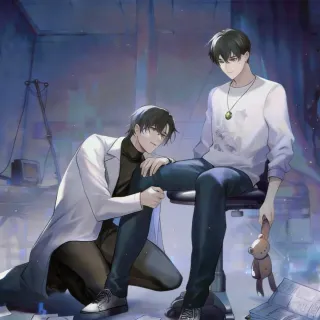
- 10. He cleared dungeons with a kissCheng Zhichu's system runs on affection, which is a horrifying thing to learn inside a murder dungeon — his solution involves a very confused ghost, a very persistent love interest, and the fandom's favorite joke about his 'golden mouth.' The horror-comedy balance is the draw: genuine scares on one page, absurdity on the next, and a romance that grows teeth as it goes.
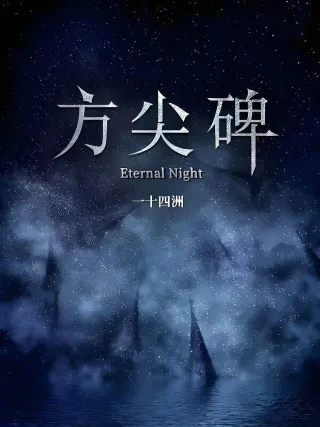
- 11. A stele at the end of the worldYi Shisi Zhou takes the genre somewhere stranger: an obelisk that shouldn't exist, worlds stacked like pages, and a protagonist who treats apocalypse logistics the way other leads treat chess. If you came for romance-first pacing, know this one makes you earn it — the appeal is the system-building and the slow reveal of what the obelisk actually is. Genre readers rank it among the most ambitious recent structures.
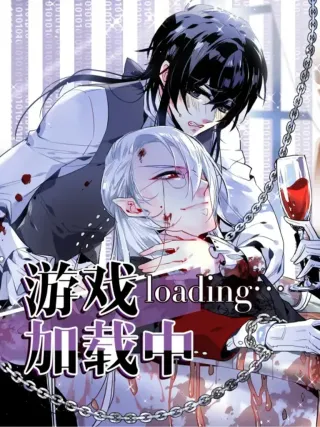
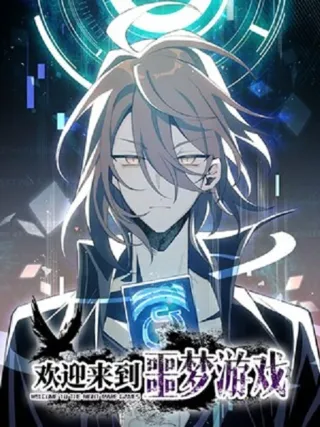
- 12. Dying is free — literallyOne of the genre's foundational texts and still free to read in full, which is how half the fandom got recruited. Qi Leren keeps dying in the nightmare worlds and waking up worse for it, and Ning Zhou is the fixed point he keeps orbiting. 'Welcome to the Land of Dusk' is the line that functions as a fandom doorbell. Come for the death mechanics, stay for the long game underneath them — and budget time, because the community reread threads are half the fun.
- 13. The midnight quiz, and the grudge from ten years agoEvery night at midnight the players get pulled into a puzzle room where the only tools are the stationery on their desks, and the two leads turn out to have unfinished business stretching back a decade of mutual misunderstanding. Yan Liang Yu writes ensemble comedy like nobody else — the team banter carries whole arcs — and the 'wait, YOU were the one who—' payoff is the kind of resolution that makes early rereads better, not worse.
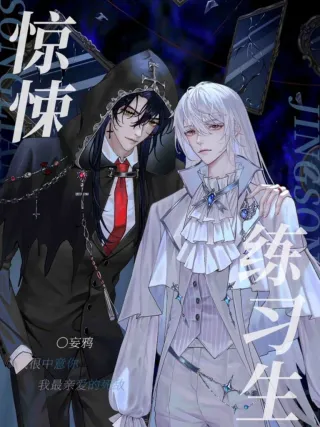
- 14. "If you're going to kill me, get on with it"The trainees of the horror show survive by performing fear itself, and the protagonist's refusal to perform — 'if you're going to kill me, get on with it' — becomes the novel's spine and its most quoted line. Fans call it a survival story about not breaking under an audience, which is a sharper read than the campy title suggests. High body count, sharp tongue, and an ending that debates still reopen.
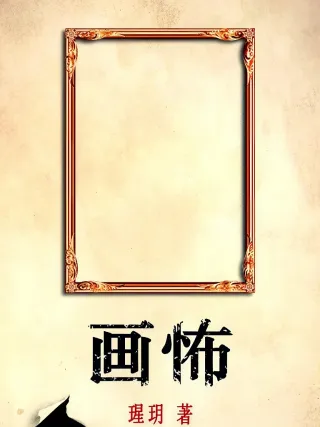
- 15. Everyone is playing the paintingEach arc drops a group of strangers into an artwork, and the rule that 'everyone is playing a role inside the painting' turns interpretation itself into the survival mechanic. This is the knowledge-flow end of the genre: the solutions come from art history, optics, and math as much as from courage, and the fandom's favorite pastime is arguing about which painting they'd survive. The leads earn each other slowly across a lot of canvases.